The journey of a single cocoa bean, from a small farm in West Africa to a delicious chocolate bar in your hand, is far more complex and often more fraught than most consumers imagine. Beneath the sweet indulgence lies a history of challenges: child labor, unfair wages for farmers, environmental degradation, and opaque supply chains that make accountability difficult. But what if technology could help us build a better, more ethical future for cocoa?
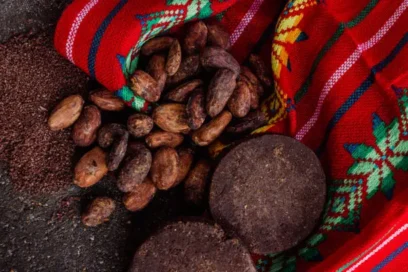
Distributed Ledger Technology (DLT), the innovation behind cryptocurrencies like Bitcoin, is emerging as a powerful tool to bring transparency, traceability, and fairness to the cocoa industry. By creating an immutable, shared record of every transaction and step in the supply chain, DLT offers a revolutionary approach to tackling long-standing ethical issues.
The Problem: A Sweet Treat with a Bitter Aftertaste
For decades, the global cocoa industry has been plagued by systemic problems:
- Poverty for Farmers: Despite the multi-billion dollar chocolate industry, cocoa farmers, particularly in regions like Ghana and Côte d’Ivoire which produce over 60% of the world’s cocoa, often live in extreme poverty. They face volatile market prices, lack bargaining power, and receive a tiny fraction of the final product’s value.
- Child Labor: Economic pressures often force families to rely on their children for labor, with devastating consequences for their education, health, and future.
- Deforestation and Environmental Degradation: The demand for cocoa has led to significant deforestation, particularly in protected areas, contributing to climate change and biodiversity loss.
- Lack of Transparency: The multi-layered supply chain makes it incredibly difficult to track the origin of cocoa, verify ethical practices, or ensure fair payments at each stage. This opacity allows unethical practices to persist unchecked.
Traditional certification schemes have attempted to address these issues, but their effectiveness is often limited by auditing challenges and the sheer complexity of verifying claims across vast and disparate networks. This is where DLT steps in.
The DLT Solution: A Transparent and Accountable Journey
Imagine a world where every cocoa bean’s journey is recorded, verified, and accessible. DLT makes this possible by establishing a digital, decentralized, and tamper-proof ledger. Here’s how it works:
1. Farm-to-Wallet Traceability: When a cocoa farmer harvests their beans, this event can be recorded on the DLT. This initial entry can include the farm’s unique ID, GPS coordinates, details of the harvest, and even information about the farming practices used (e.g., sustainable methods, absence of child labor). This creates an unchangeable “digital twin” of that batch of cocoa.
As the beans move through the supply chain – from collection centers to processing plants, exporters, manufacturers, and finally to retailers – each transfer of ownership and transformation is logged on the ledger. This means that at any point, stakeholders can see the complete history of a specific batch of cocoa.
2. Ensuring Fair Payments with Smart Contracts: One of the most transformative applications of DLT in cocoa is the use of “smart contracts.” These are self-executing contracts with the terms of the agreement directly written into code. For cocoa, this means:
- Automated Payments: When a batch of cocoa reaches a certain checkpoint (e.g., leaves the farm, arrives at the port), a smart contract can automatically trigger a payment directly to the farmer’s digital wallet. This bypasses intermediaries, reduces delays, and ensures farmers receive their due share without deductions or manipulation.
- Conditional Payments: Payments can be made conditional on certain criteria being met – for example, a bonus payment if the cocoa is certified as shade-grown or if it comes from a farm that has successfully passed a child labor audit. This incentivizes ethical practices directly.
3. Immutable Records for Ethical Sourcing: The inherent immutability of DLT means that once a record is added, it cannot be altered or deleted. This is crucial for ethical sourcing. Claims about sustainable practices, fair labor, or origin can be verified against an unchangeable ledger, building trust and accountability across the entire chain. If a company claims its chocolate is “child-labor-free,” the DLT can provide the verifiable evidence to back that claim.
4. Empowering Farmers: DLT gives farmers greater visibility and control. They can access records of their sales, understand pricing mechanisms, and receive direct payments. This transparency empowers them to negotiate better terms and understand their position within the broader supply chain. Some initiatives even explore providing farmers with digital identities and financial services, further integrating them into the formal economy.
Real-World Impact: Projects and Pilots
Several organizations and chocolate companies are already exploring or implementing DLT solutions in the cocoa sector:
- Tracking Origins: Platforms are being developed that allow consumers to scan a QR code on a chocolate bar and trace its journey back to the specific farm.
- Direct Payments: Pilots are testing direct payment systems to farmers, ensuring they receive a higher percentage of the bean’s value.
- Supply Chain Visibility: Companies are using DLT to get a holistic view of their supply chain, identifying potential risks and ensuring compliance with ethical standards.
The Road Ahead: Challenges and Opportunities
While the potential of DLT in cocoa is immense, challenges remain:
- Scalability: Implementing DLT across millions of smallholder farmers requires robust infrastructure and widespread adoption.
- Digital Literacy: Many cocoa farmers may lack the digital literacy or access to technology needed to fully participate. Training and support are crucial.
- Interoperability: Different DLT platforms need to be able to communicate and share data seamlessly.
- Cost: Initial investment in DLT infrastructure can be significant.
However, the opportunities far outweigh the challenges. As the technology matures and becomes more accessible, DLT can transform the cocoa industry, creating a future where:
- Consumers can enjoy chocolate with confidence, knowing it was ethically sourced.
- Farmers receive fair compensation and can lift themselves out of poverty.
- The environment is protected through sustainable farming practices.
- The entire supply chain operates with unprecedented transparency and accountability.
The movement towards ethical cocoa is gaining momentum, and DLT is proving to be a powerful catalyst. From bean to bar, technology is helping us craft a sweeter, fairer, and more sustainable future for one of the world’s most beloved treats.
Leave a Reply